
Body and senses experiments for kids
Pulse, taste and smell, sight and reaction time. Safe experiments that help a child better understand how their own body works.

How your heart beats: before and after jumping
You need: a clock with a second hand or a timer, paper and a pencil
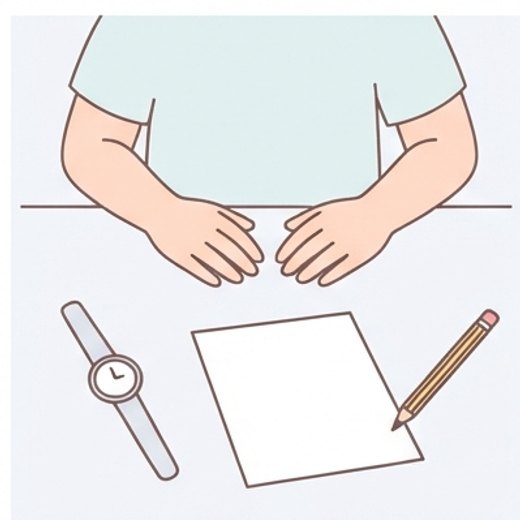
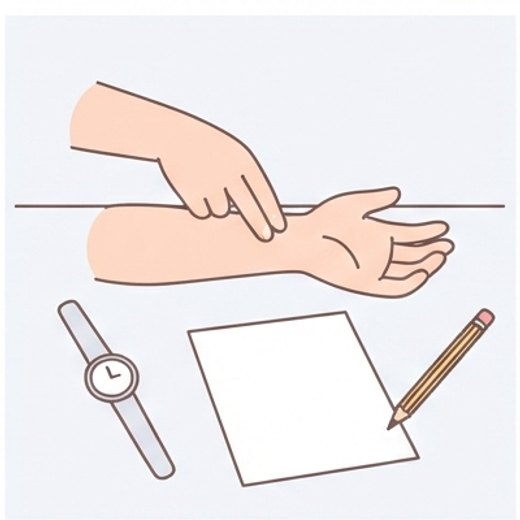
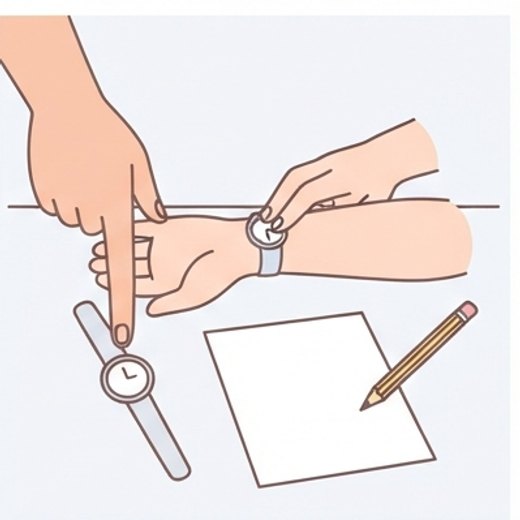
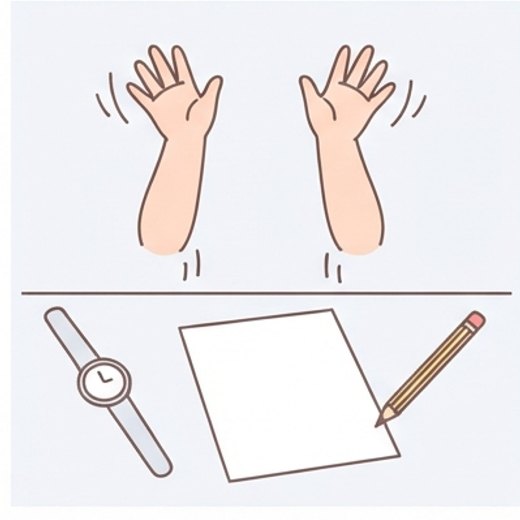
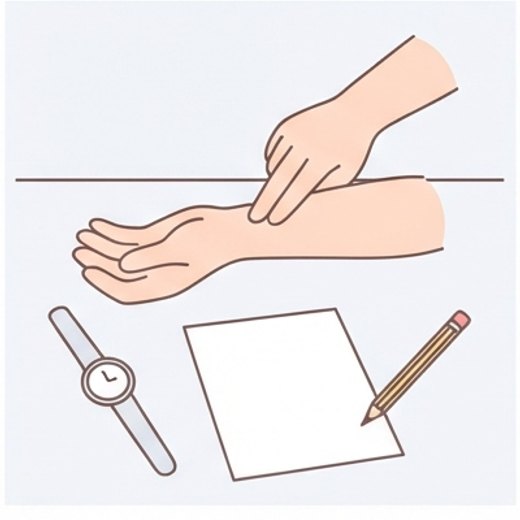
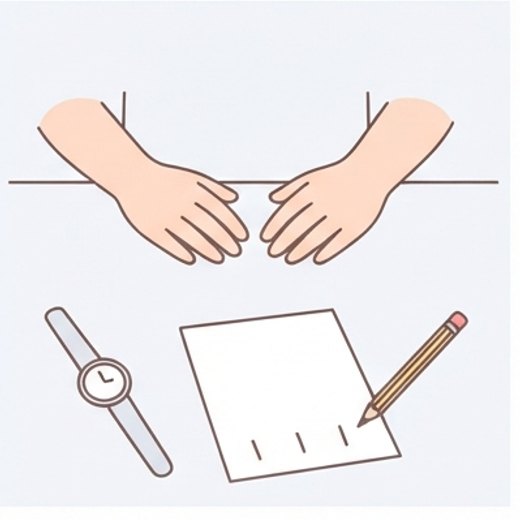


What happens: After jumping, the pulse is noticeably faster than at rest. After resting, it slows down again and goes back to its usual rate.
Why: The heart pumps blood, which carries oxygen to the muscles. When you move, your muscles need more oxygen, so the heart beats faster. When we rest, the need goes down and the heart calms down. Children’s resting pulse is faster than adults’, and that is normal.
Safety: Skip the exercise for children whose doctor has told them to avoid physical exertion. If you feel dizzy, sit down right away. Do not press hard on the pulse.
Try next: Compare your pulse after walking, jumping and slow squats. Where is it highest?

Why does food taste boring when you hold your nose?
You need: small, same-sized slices of apple, pear and cucumber, a blindfold, a glass of water, a helper
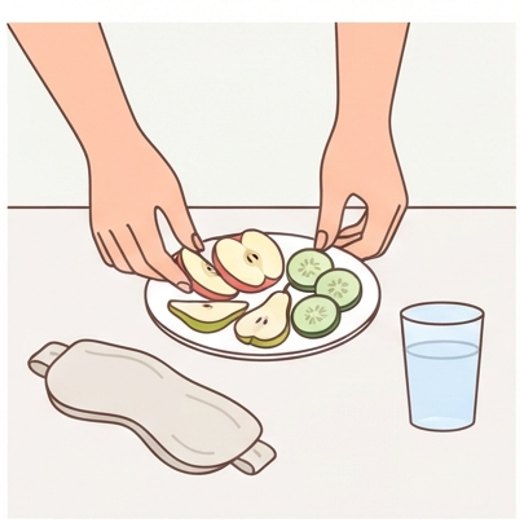
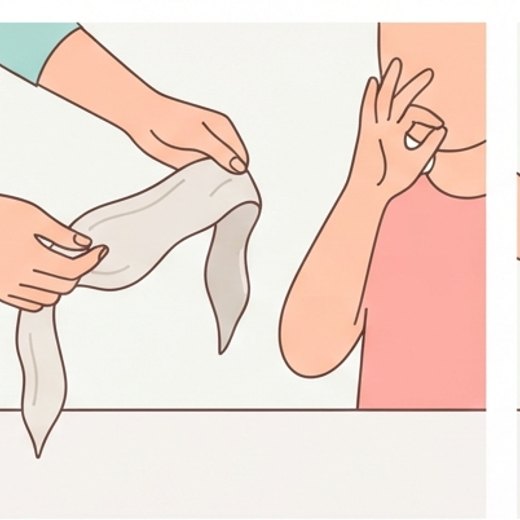
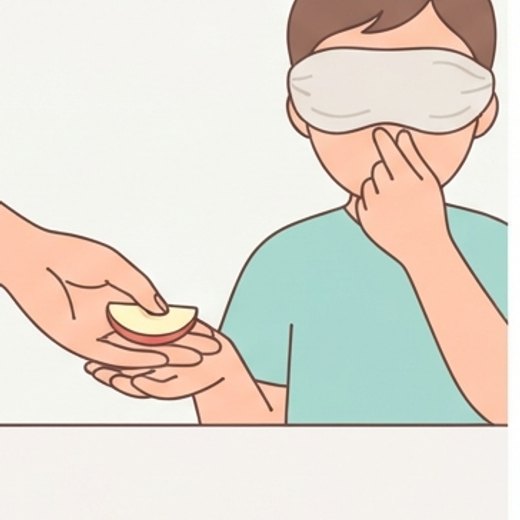
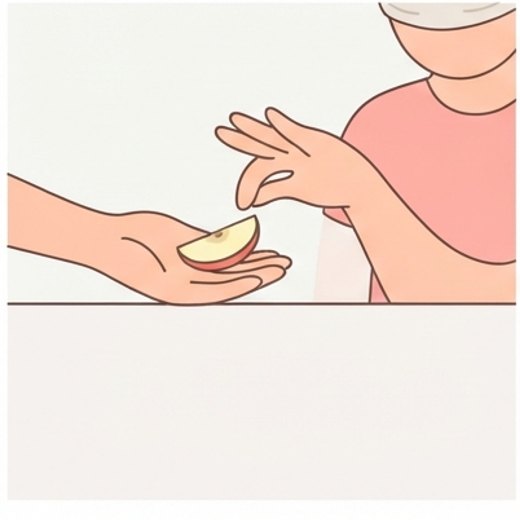
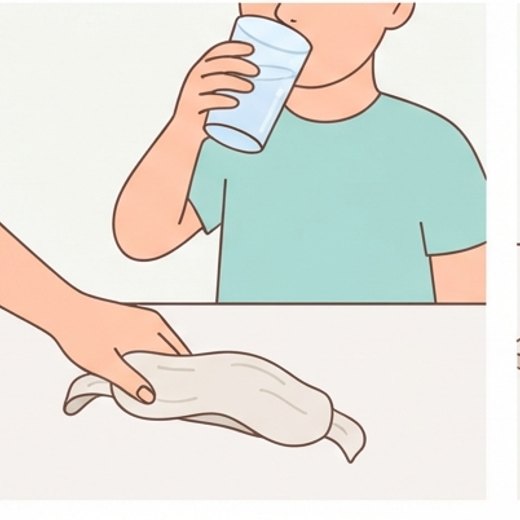


What happens: With the nose pinched, it is hard for the child to tell apple from pear: they can only sense sweetness and crunchiness. Once the nose is released, the flavor becomes clear right away.
Why: The tongue can only tell the basic tastes: sweet, salty, sour, bitter and umami. What we call the taste of an apple or a pear is mostly smell. Smells travel up from the back of your mouth into your nose, so a pinched nose blocks them. That is why food seems tasteless when we have a cold.
Safety: Check for allergies first. Cut thin slices so no one chokes. Give food only to a child who is sitting down.
Try next: Try other foods: banana, kiwi, onion. Which are easier to guess?

The blind spot: a dot that disappears
You need: a sheet of paper or a 10 by 15 cm card, a black marker
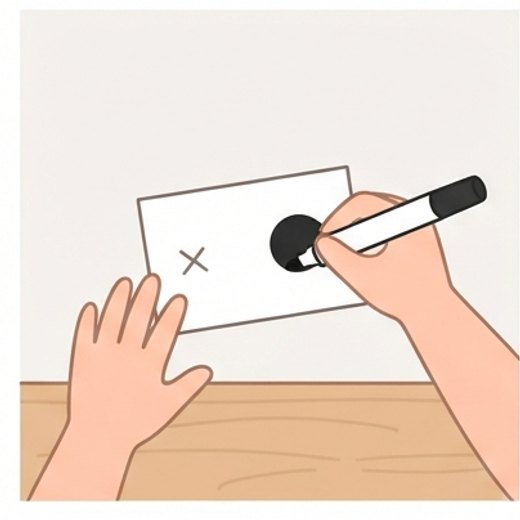
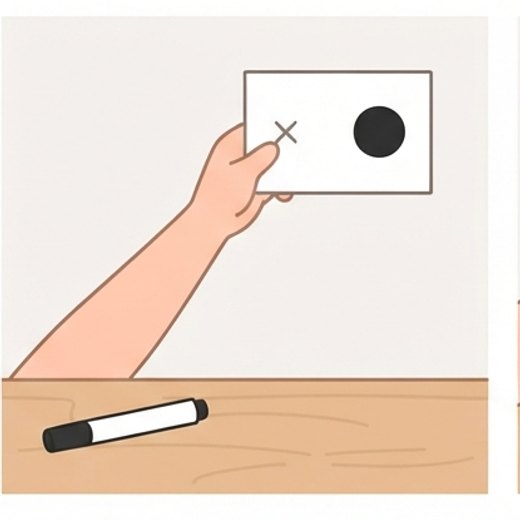
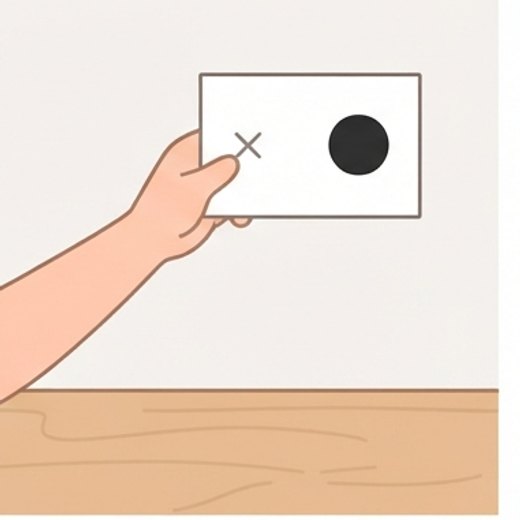
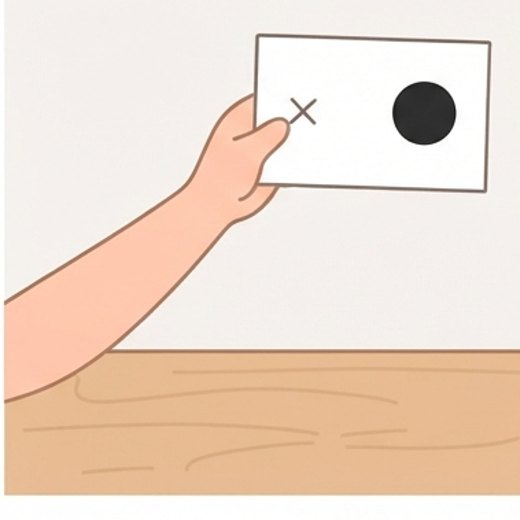
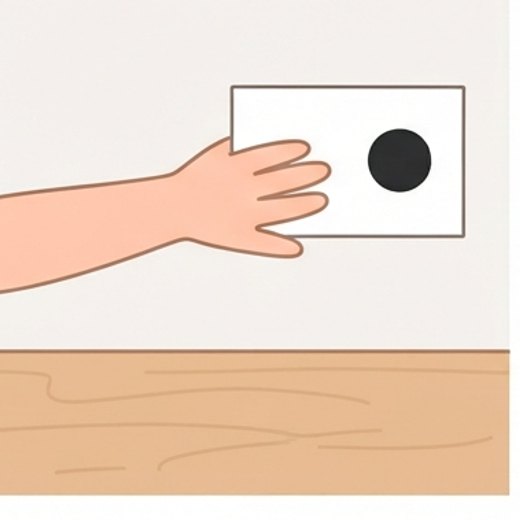


What happens: At a certain distance the black dot disappears, and you see the white background in its place. If you bring the card even closer, the dot appears again.
Why: Each eye has a spot on the retina where the optic nerve leaves the eye. There are no light-sensing cells there, so we cannot see the part of the picture that lands on it. This is the blind spot. In everyday life we do not notice it: the brain fills in the picture, and our two eyes cover for each other.
Safety: This experiment is safe. Do not hold the card too close to your eyes, and do not strain. If your eye gets tired, take a break.
Try next: Switch eyes and swap the places of the dot and the cross. Find the blind spot of your left eye.

How fast are your reactions? Catch the ruler
You need: a 30 cm ruler, a helper, paper and a pencil
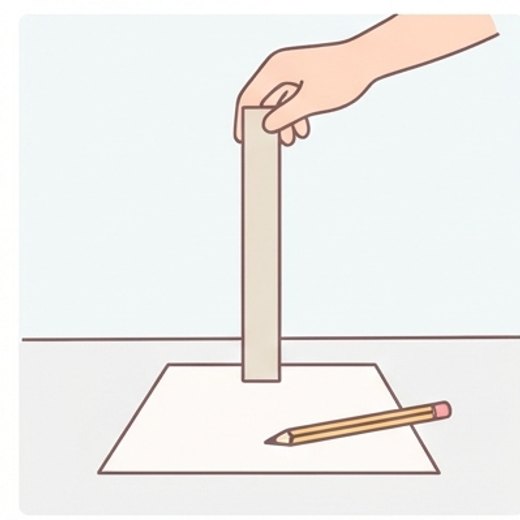
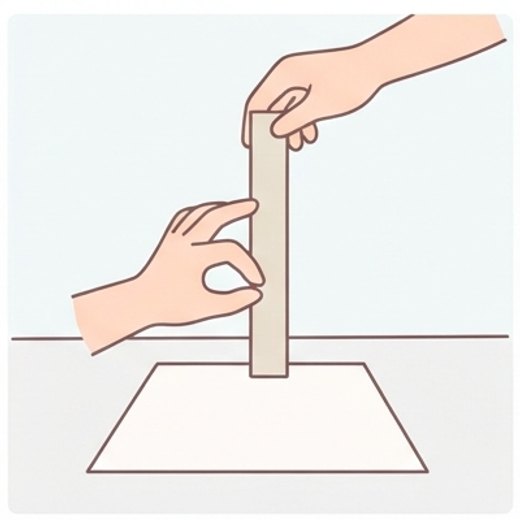
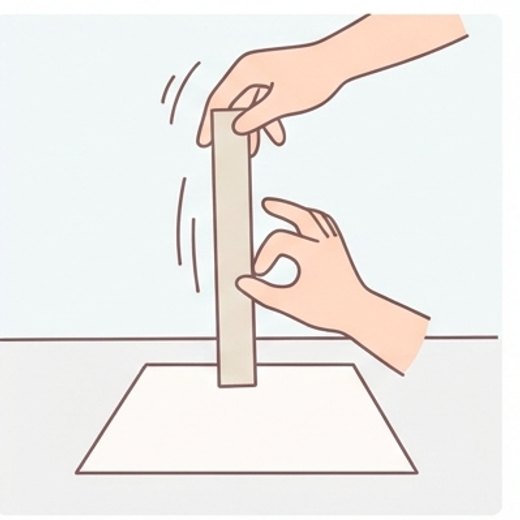
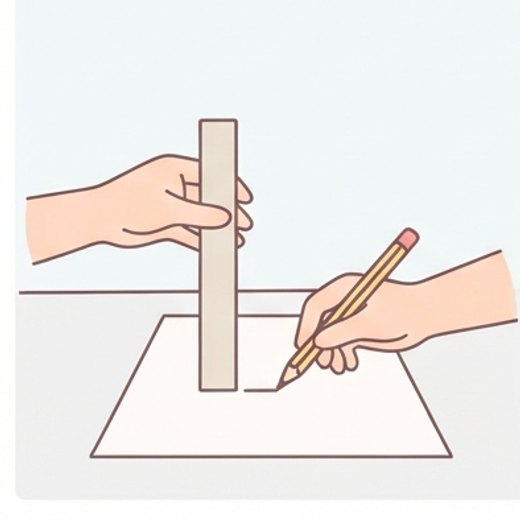
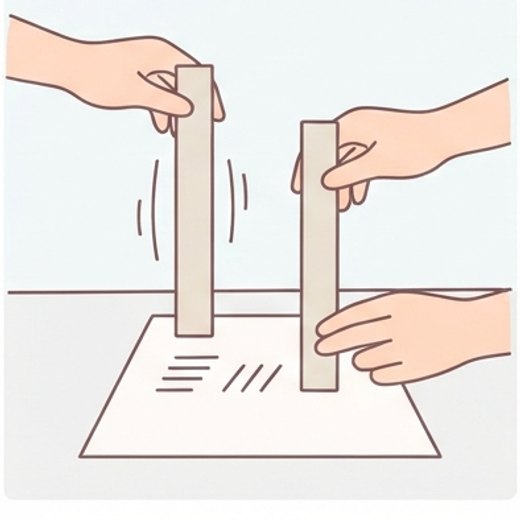
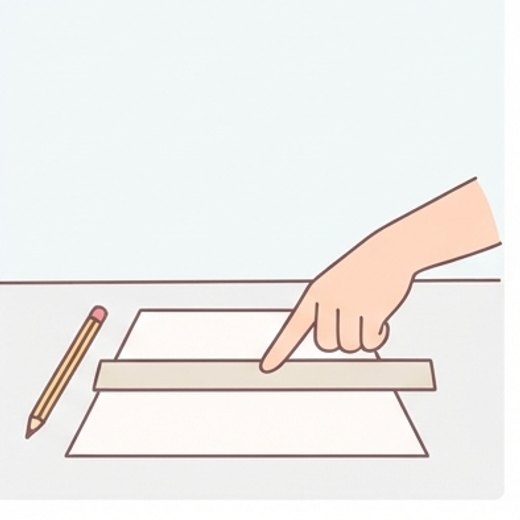


What happens: For most children the ruler falls 10-20 cm, which means a reaction time of about 0.15-0.20 seconds. With practice the result gets a little better, as long as the helper lets go without warning.
Why: Your eye sees the ruler falling. Your brain gets the signal and sends a command to the muscles in your hand. It takes a moment for the signal to travel along your nerves. In that time the ruler has already fallen a few centimeters. The longer your reaction takes, the farther the ruler falls. The time can be calculated because things fall with a known acceleration.
Safety: The ruler is light, but do not throw it toward anyone’s face.
Try next: Try closing your eyes and catching it when you hear a sound signal. Which is faster: sight or hearing?
The body: the closest lab of all
A child uses their body from birth but rarely wonders how it works. Experiments show this through their own experience: how the pulse changes after jumping, how the nose affects taste, how the brain fills in the blind spot, how quickly we react. These experiments need no equipment, only attention, and they make a strong impression because they are about the child themselves. Kids begin to understand that the body is not just a shell but a complex system with many jobs.
It is also a chance to talk about health without fear: why we need sleep, water and clean hands. Kids listen more willingly when they have seen things for themselves. Keep in mind, though: these experiments are for getting to know the body, not for diagnosis. If something worries your child or you, talk to a doctor rather than doing experiments.
Rules for safe experiments
Never push a child into overexertion, holding their breath or long periods of strain. An experiment should be pleasant and short. For taste experiments, check for allergies and do not give small foods that could be a choking hazard. Do not leave a child alone with food. These rules let kids explore themselves without harm and without unnecessary stress.
Talk about the results neutrally: do not compare children with each other, and do not judge their sensations as right or wrong. Everyone has their own pulse, their own tastes, their own eyesight. Start a notebook where kids write down what they feel and draw pictures. This way they learn to listen to themselves rather than just repeat after others. This approach teaches kids to respect their own feelings and not be afraid of being different.
FAQ
Are taste experiments safe?
How do I take my child’s pulse?
Should we worry if a result seems unusual?
How do we keep an observation notebook?
Water experiments · Air experiments · Safe kitchen chemistry · Light and color · Sound experiments · Plant experiments · Magnets, forces and motion · Science Experiments for Kids at Home