
Air experiments for kids
You cannot see air, but you can catch it and test it: a towel that stays dry underwater, a parachute, a ball on a scale, a balloon that heat inflates. Experiments with explanations for kids.

Does air take up space?
You need: a plastic cup, a paper towel, a large bowl or dish tub of water
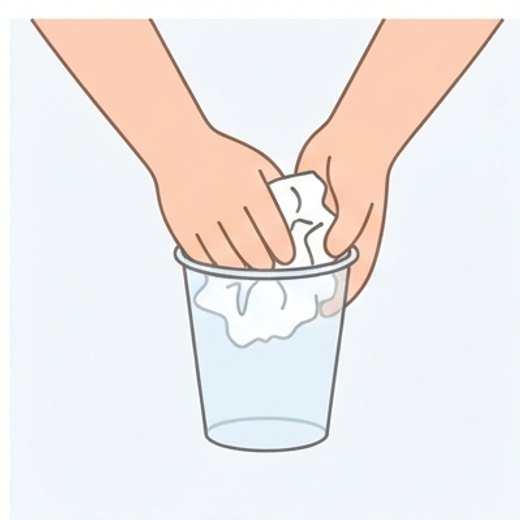
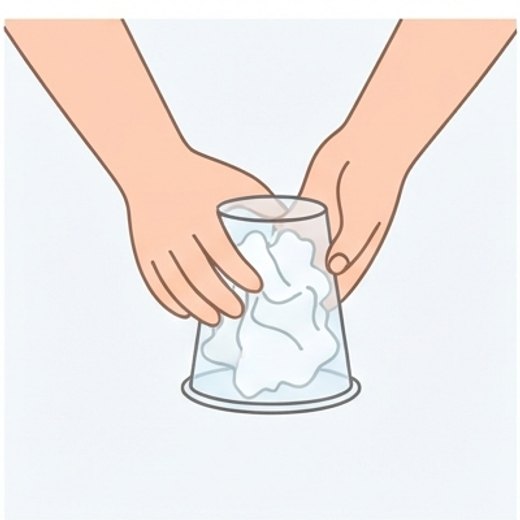
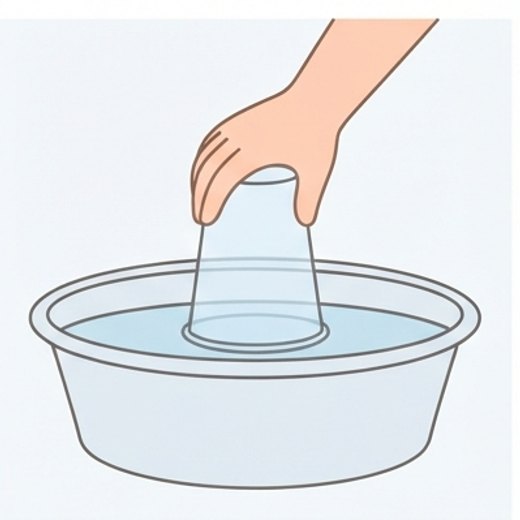
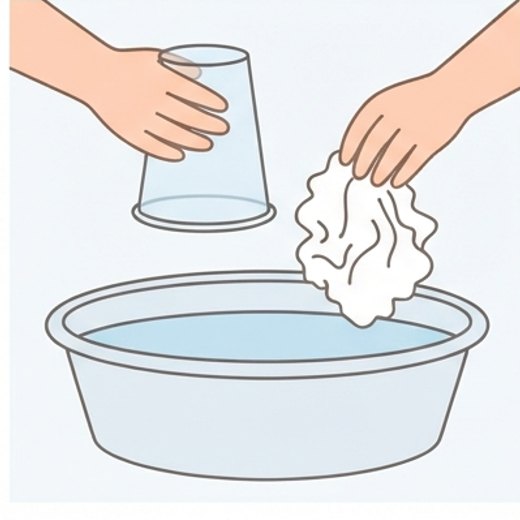
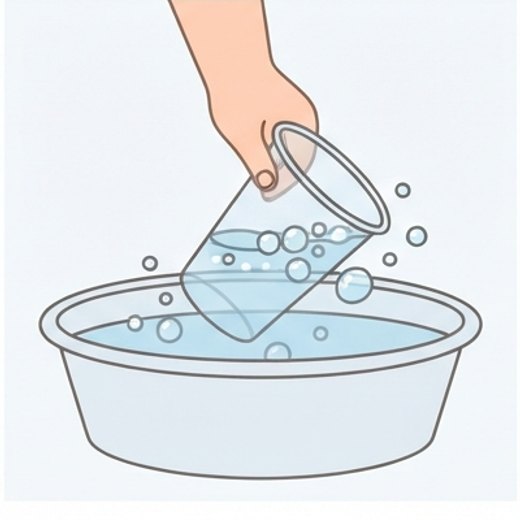


What happens: If the cup stays straight, the towel stays dry. If you tilt it, bubbles rise up and the towel gets wet.
Why: The air in the cup, even though you cannot see it, takes up space and keeps the water out. When you tilt the cup, the air escapes as bubbles and the water has room to come in. This shows that air is a real substance, not just empty space.
Safety: Use a plastic cup. Put a towel under the bowl or tub.
Try next: Ask an adult to poke a small hole in the bottom of the cup and repeat the experiment: what happens to the towel?

How does air save a parachutist?
You need: a 30 by 30 cm square of fabric or plastic bag, 4 pieces of string, 30 cm each, a small soft weight (a ball of modeling clay or a small stuffed toy), tape
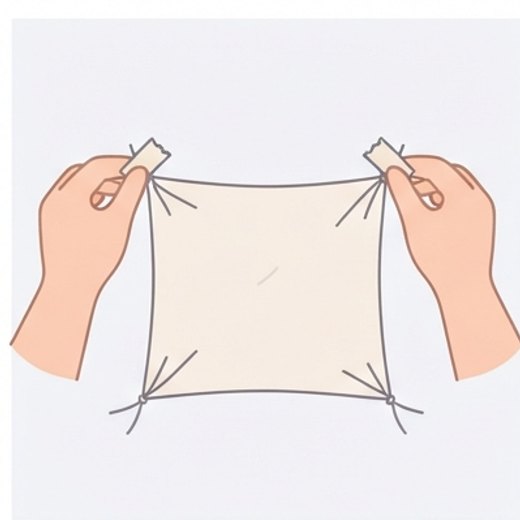
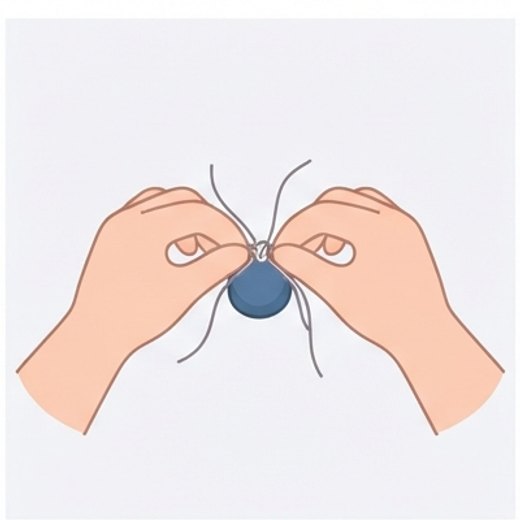
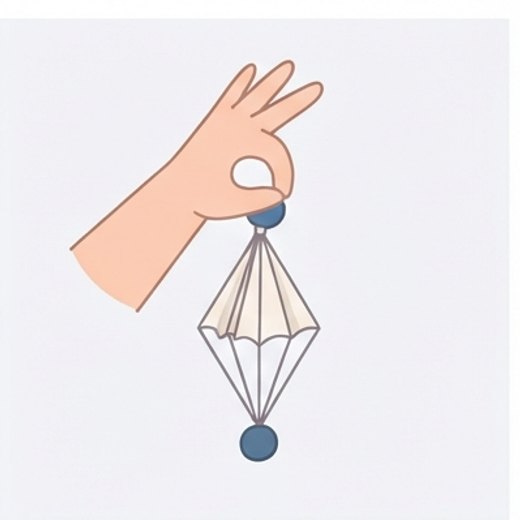
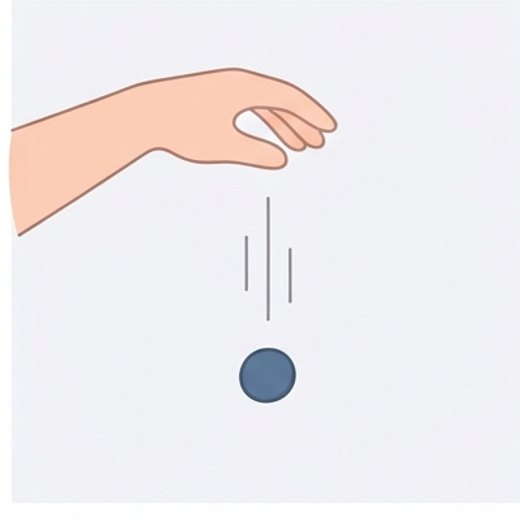
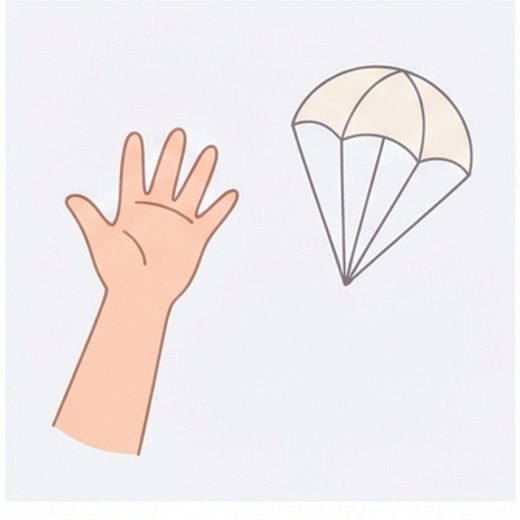


What happens: The weight with the parachute falls noticeably slower and lands softly, while without it the weight falls fast.
Why: Everything that falls is slowed by air resistance. The bigger the area, the more air has to be pushed aside, and the stronger the resistance. Gravity pulls the same, but a big canopy slows the fall. That is why a parachutist lands slowly.
Safety: An adult drops it, or a child standing on a sturdy, low step with an adult holding them. The weight should be light and soft, not hard.
Try next: Make parachutes of different sizes: is it true that a bigger one falls more slowly?

Does air have weight?
You need: a soccer ball or volleyball, a ball pump with a needle, a kitchen scale that shows grams, a large bowl (so the ball does not roll off), paper and a pencil
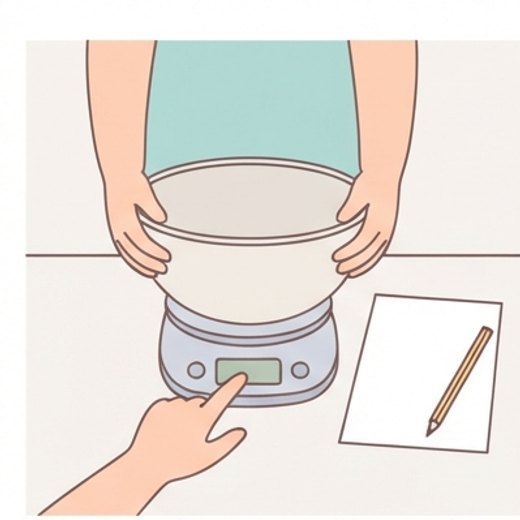
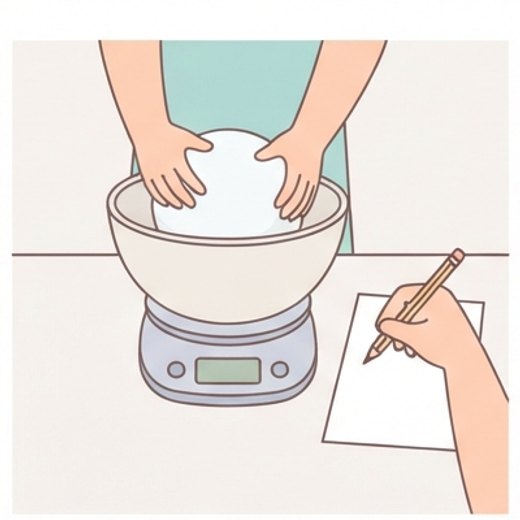
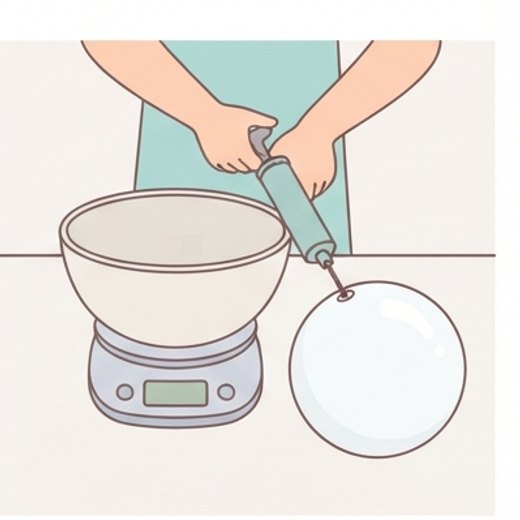
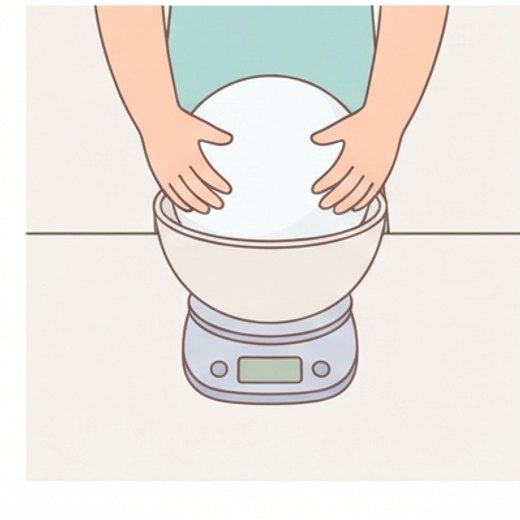
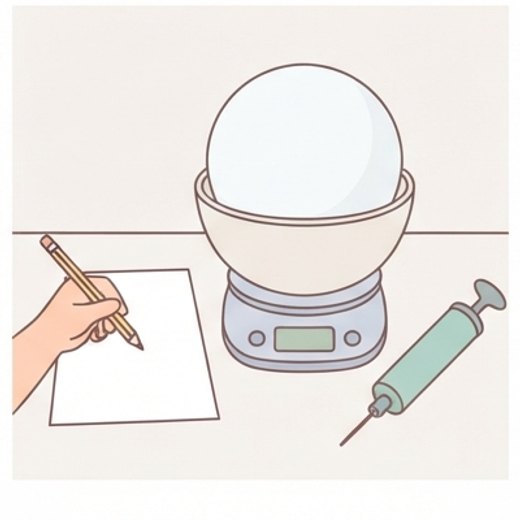


What happens: The firm ball shows more than the soft one, by a few grams. If you let the air out, the number goes back almost to the first one.
Why: Air has mass, even though we cannot feel it: one liter of air weighs a little more than one gram. The pump pushes extra air into the ball, and the ball’s mass goes up. The difference is small, so you need an accurate scale. If your scale only measures to 5 grams or worse, you may not see a difference.
Safety: An adult works the pump, or a child does it with an adult watching. Do not pump the ball past the pressure limit printed on it. Never point the needle toward a face.
Try next: Pump the ball up even more and compare. Why is the difference so small, even though there is a lot of air in the ball?

How does heat blow up a balloon without a pump?
You need: an empty 16.9 oz (half-liter) plastic bottle, a balloon, 2 bowls, hot tap water (about 50 °C / 120 °F, not boiling), cold water with ice
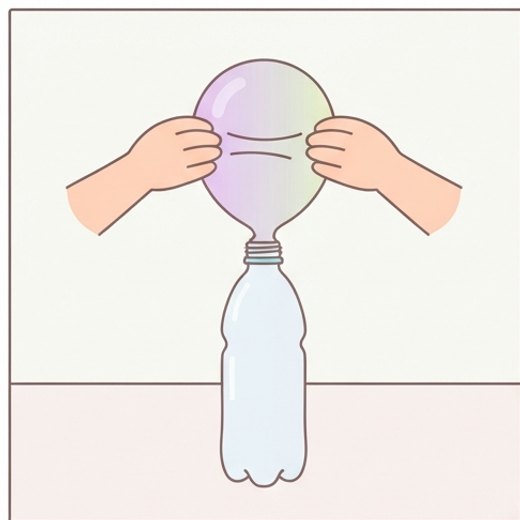
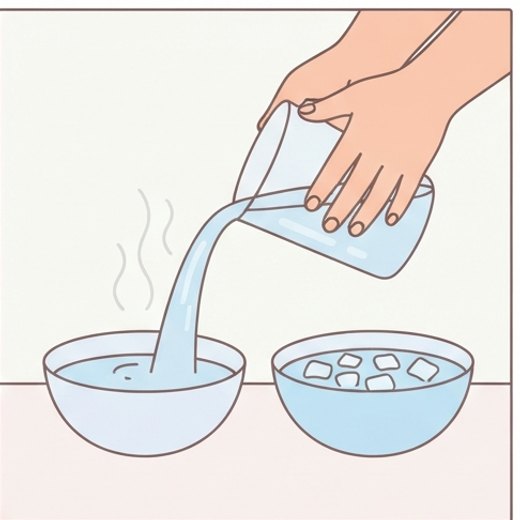
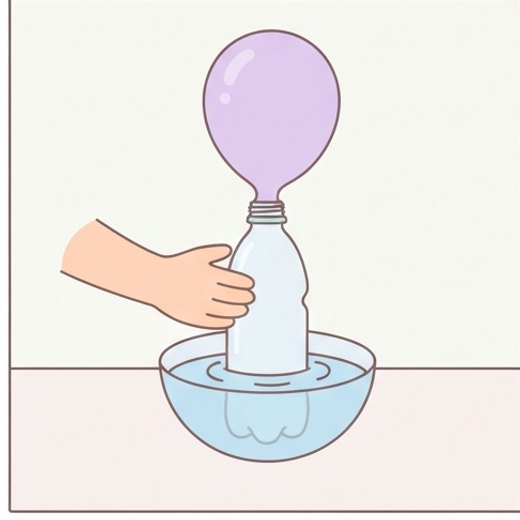
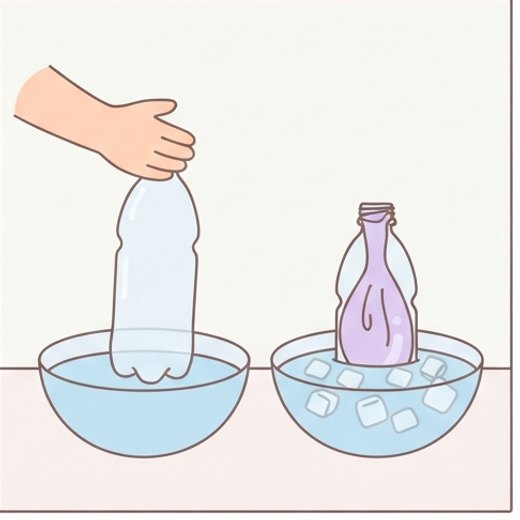


What happens: In the hot water the balloon puffs up a little. In the cold water it goes limp and may even get pulled into the bottle.
Why: When the air in the bottle warms up, its particles move faster and spread apart, so the air expands and goes into the balloon. When it cools, the particles slow down, the air contracts, and the balloon goes limp. This shows that air expands when it is heated and contracts when it is cooled.
Safety: Do not use boiling water; an adult pours the hot water. Test the water with your hand first; it should feel hot but not painful. Be careful of burns.
Try next: Try water at different temperatures and measure how tall the balloon gets.
How to see what you cannot see
Air is all around us, but kids do not notice it. Experiments help prove that it exists: it takes up space, it has weight, it pushes back against falling things, and it expands when it warms up. A paper towel that stays dry under water, a parachute that floats down slowly, a ball that gets heavier when you pump it up: these are all easy ways to catch the invisible. Kids get the idea even before the explanation, because they feel the result with their own hands. That makes these experiments a perfect introduction to physics and science for the youngest learners.
These experiments need very few materials and work well in small spaces. Many take just a few minutes, so they fit nicely into a quiet evening. It helps to ask your child first what they think will happen. Kids love to argue over different guesses, and the guessing itself is already learning. Remember: what matters is not a spectacular result but the shared surprise and the questions that come up along the way.
Safety and tidiness rules
In balloon experiments, make sure kids do not breathe in or chew pieces of popped rubber. This is dangerous for children under three, so for them choose only experiments without small parts. Leave the hot water and the ball pump needle to an adult. These simple rules let you run the experiment safely and without worry.
For the experiment with a cup and a paper towel, work over a large bowl or dish tub with a towel underneath, because the water may spill. Explain the result with a picture: air is like an invisible pillow that takes up room and pushes back. After the experiment, ask your child to draw what they saw and write one sentence. This locks in both the knowledge and the habit of recording observations. A notebook entry will help your child come back to the experiment later and compare results.
FAQ
At what age do kids understand that air exists?
Is it safe to blow up balloons in experiments?
What if the dry towel experiment does not work?
Can we use everyday household items?
Water experiments · Safe kitchen chemistry · Light and color · Sound experiments · Plant experiments · Magnets, forces and motion · Body and senses · Science Experiments for Kids at Home