
Light and color experiments for kids
A rainbow from a glass of water, colors hiding in a black marker, shadows that grow and shrink, a coin that reappears. Experiments that show how light works, with simple explanations.

A rainbow from a glass of water
You need: a clear glass of water, a sheet of white paper, a sunny window
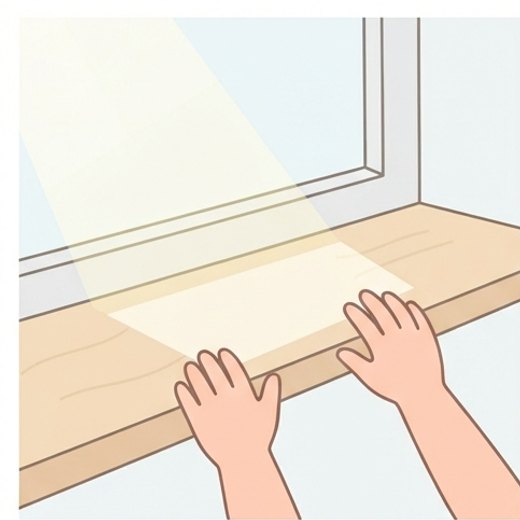
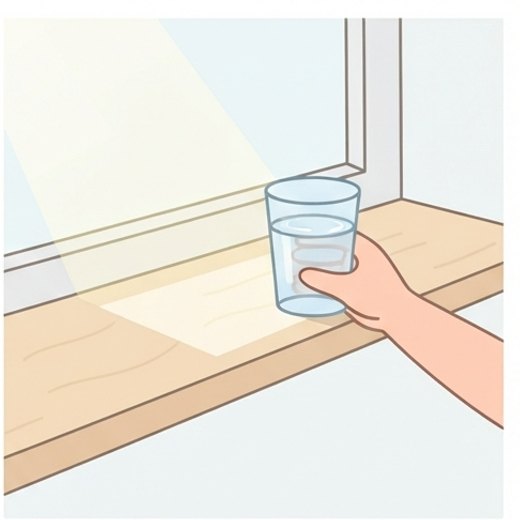
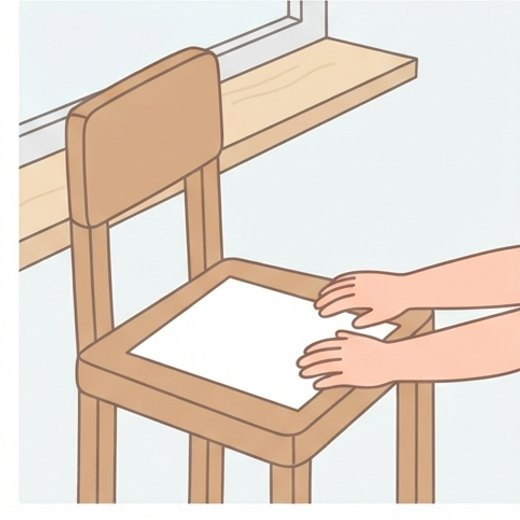
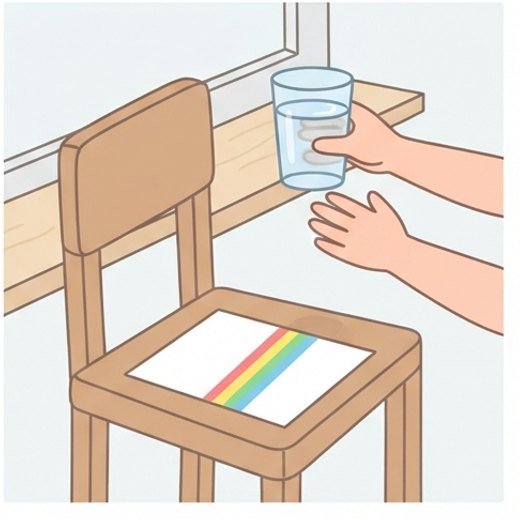


What happens: A small rainbow stripe appears on the paper (red, yellow, green, blue). It may be faint, so darken the room a little.
Why: White light is made of all the colors. When it goes into the water and comes out again, it changes direction; this is called refraction. Different colors bend by different amounts, so they spread out into separate stripes.
Safety: Never look straight at the sun, not even through the glass.
Try next: Try a glass of a different shape, or a small mirror in the water.

How many colors are in a black marker?
You need: a paper coffee filter, a washable black marker, a glass of water, a pencil and tape, scissors
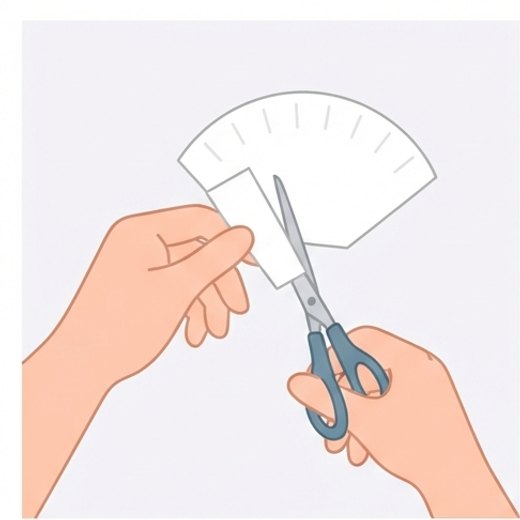
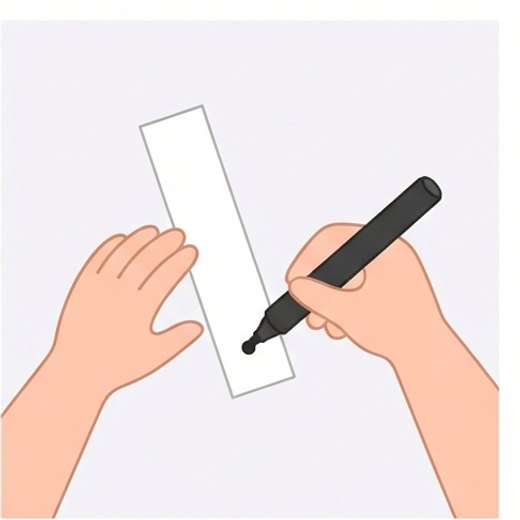
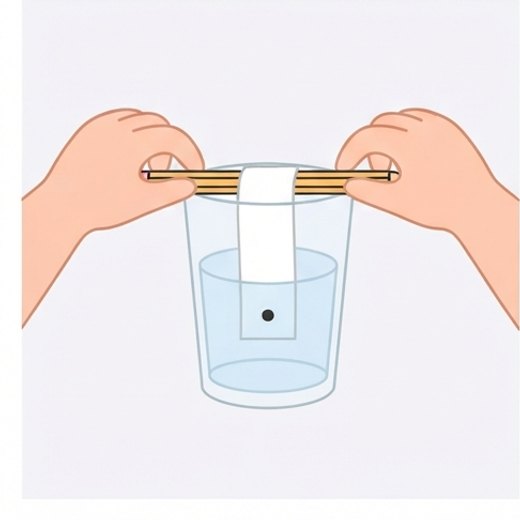
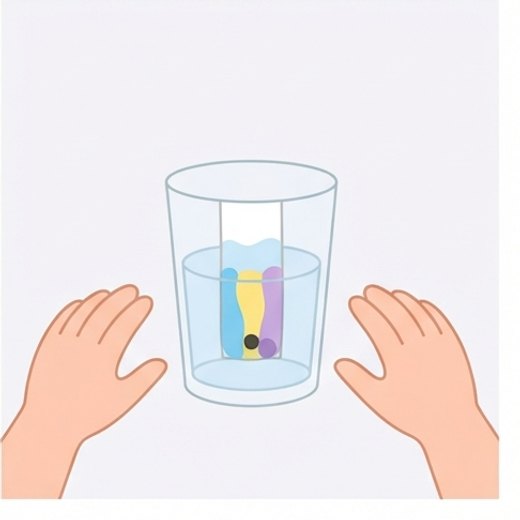


What happens: The water climbs up the paper and stretches the dot into a stripe of different colors, for example blue, yellow and purple.
Why: Black ink is a mix of several colors. Water climbs up the paper and carries them along, but different dyes dissolve and cling to paper differently, so they move at different speeds and separate. This method is called chromatography, and chemists use it.
Safety: Use only washable markers, because permanent ones do not dissolve in water. Not every black marker splits into colors, so try a few. An adult handles the scissors. Do not use markers with a strong smell.
Try next: Compare black markers from different brands, and other colors too.

Why is a shadow sometimes big and sometimes small?
You need: a flashlight and a ruler, a small toy, a light-colored wall, a dark room
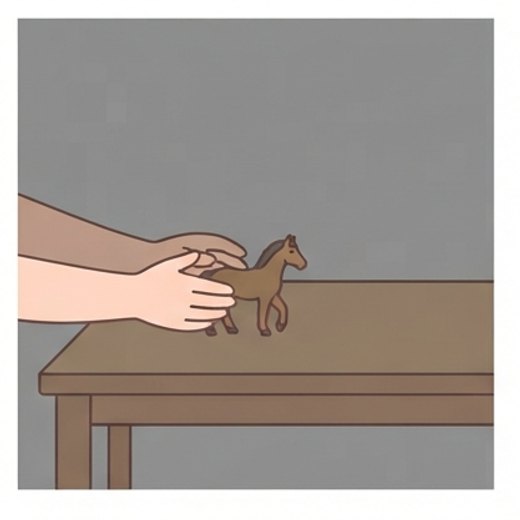
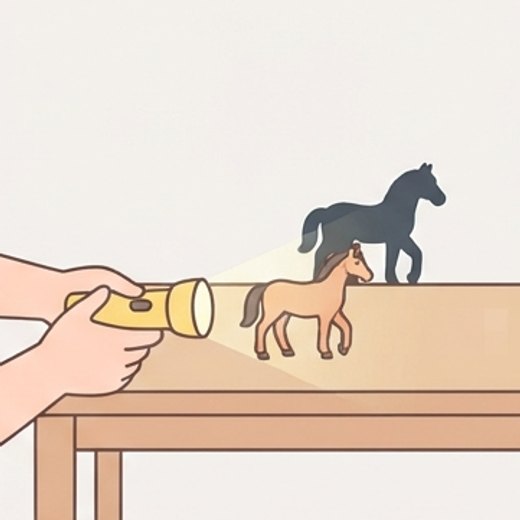
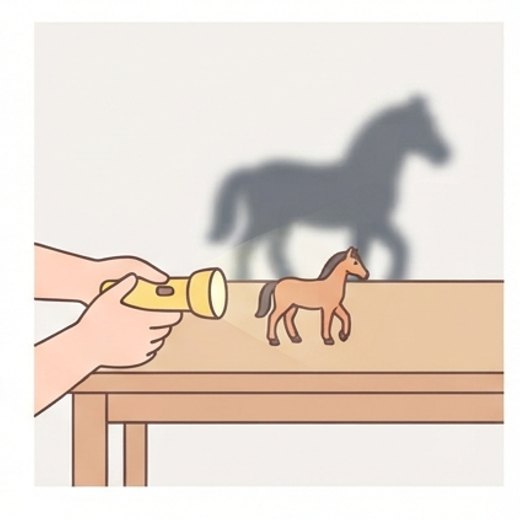
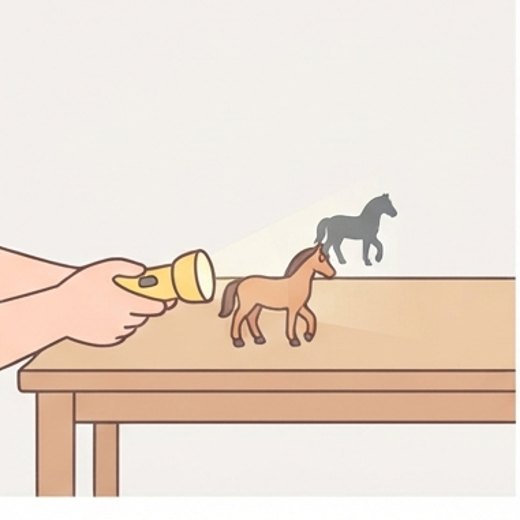
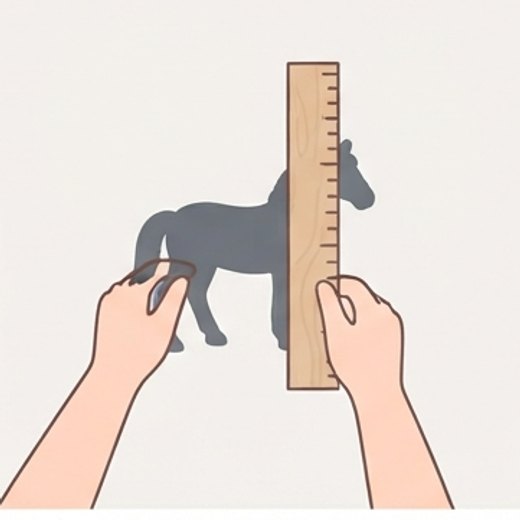


What happens: The closer the flashlight, the bigger and blurrier the shadow. The farther away, the smaller and sharper it is.
Why: Light travels in straight rays that spread out from the source. An object blocks them, and a shadow is left behind it. When the light is close, the rays spread out widely, and the shadow on the wall comes out bigger. When it is far away, the rays are almost parallel, and the shadow is close to the size of the object.
Safety: Do not shine the flashlight into anyone’s eyes. Move carefully in the dark.
Try next: Try different toys and put on a shadow puppet show.

The coin that disappears and reappears
You need: an opaque mug, a coin, a small piece of modeling clay, a pitcher of water, a table
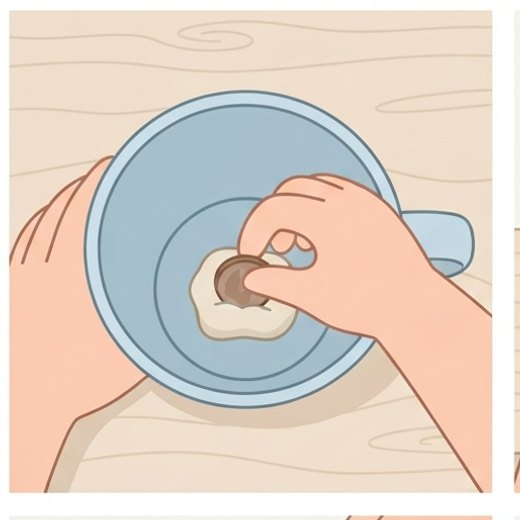
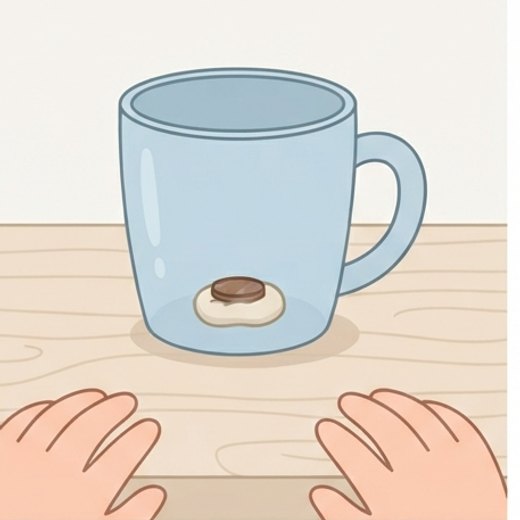
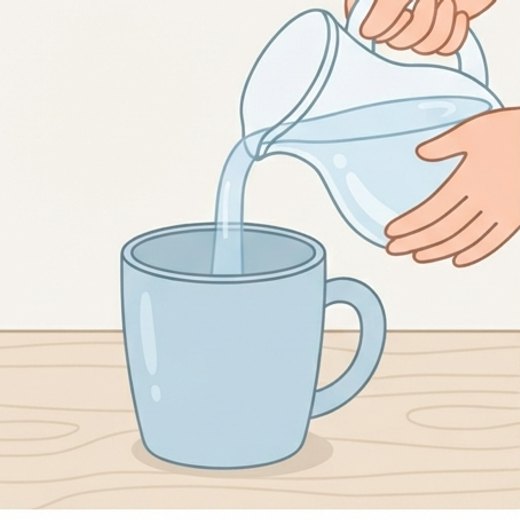
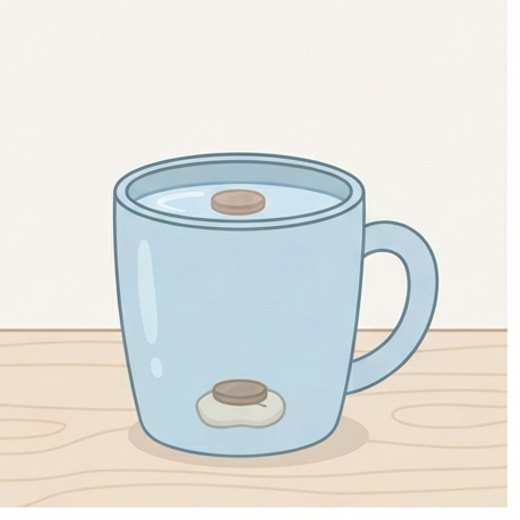


What happens: As water fills the mug, the coin comes into view, as if it has risen.
Why: At first the rim of the mug blocks the light rays from the coin before they reach your eye. Water changes the direction of the rays, bending them so they get around the rim of the mug. Our brain assumes light travels in a straight line, so it sees the coin higher up. The coin has not moved.
Safety: Pour the water slowly so it does not splash.
Try next: Try oil or very salty water instead of plain water: can you see the coin the same way?
Light: what we see but do not notice
Kids are so used to light that they never wonder where shadows or colors come from. Experiments open up this world for them. With a flashlight and a toy they make shadows grow and shrink, with a glass of water they catch a rainbow, and a black marker turns out to hide several colors. The effects are bright, so kids get excited and remember the explanations. Even a dark room can become a wonderful lab for little explorers, and that is a great start.
Some of these experiments work best in a dim room, which adds some magic. They are perfect for an evening activity or a rainy day. Older kids can measure a shadow at different distances, compare markers from different brands or take photos. This turns a simple game into real research with measurements and conclusions. It combines science with creativity and helps kids see the links between different areas of knowledge.
Practical tips
For shadow experiments you need a flashlight, a small toy and a light-colored wall. Adjust the distance so the shadow is sharp. Let kids experiment on their own: change the distance, the toys and the angle of the light. Ask what changed and why. This helps them learn cause and effect in a natural way. It will help them understand how shadows work and teach them to notice details around them.
Light experiments come with a few simple rules: never look straight at the sun, not even through a glass of water, and do not shine a flashlight into anyone’s eyes. Use washable markers for the hidden colors experiment, and leave the scissors to an adult. Let kids experiment freely within safe rules, and they will discover a lot on their own.
FAQ
How do you make a rainbow at home?
Is it safe to look at sunlight in these experiments?
Why does a black marker hide other colors?
At what age are shadow experiments interesting?
Water experiments · Air experiments · Safe kitchen chemistry · Sound experiments · Plant experiments · Magnets, forces and motion · Body and senses · Science Experiments for Kids at Home